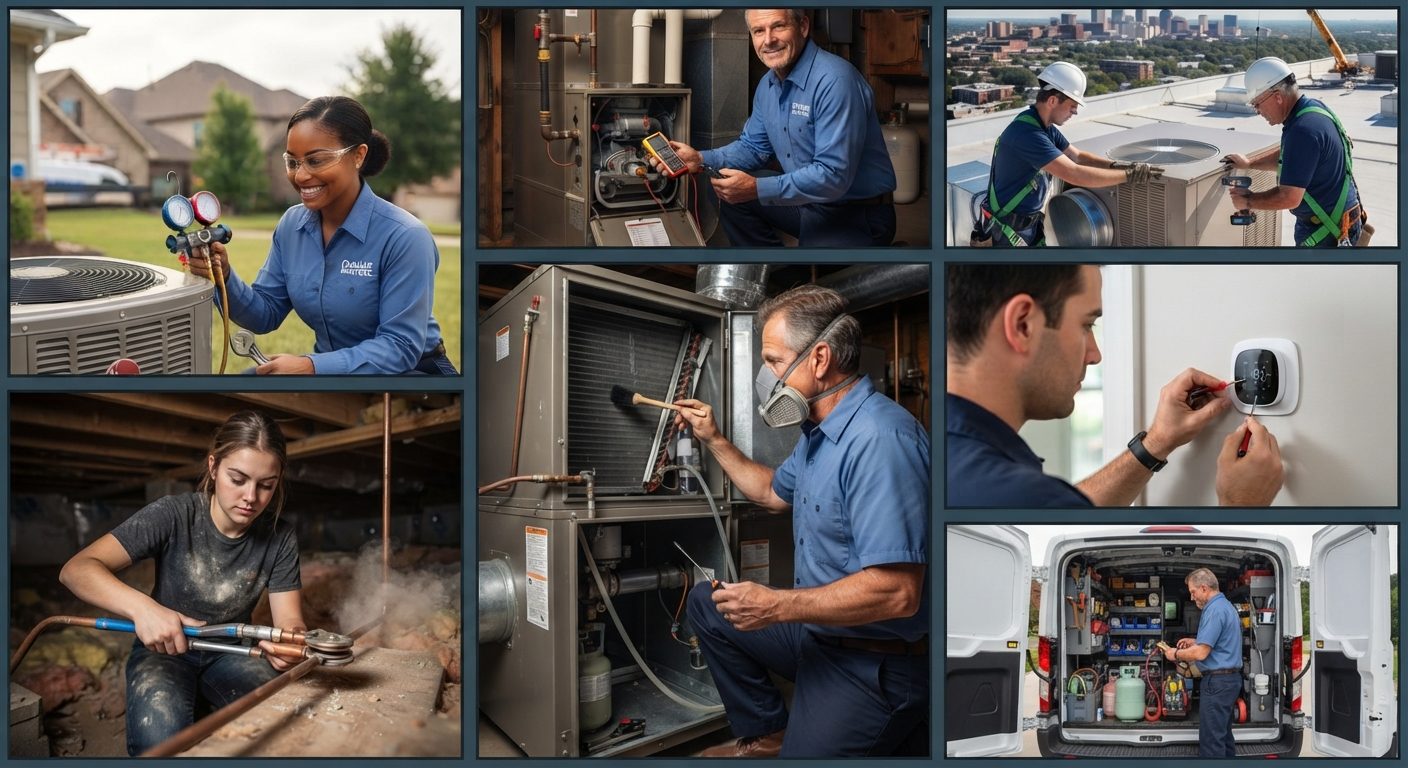
High Efficiency Furnace Installation (HVAC) Repair provides a straightforward way for homeowners in Pottsville to request help with heating and cooling problems. We collect the information about your property, the equipment involved and the service you are looking for. We then pass the request to an independent local contractor who can contact you about the next steps. We do not perform HVAC repairs or installations ourselves. The contractor is responsible for evaluating the equipment, explaining the recommended work, preparing an estimate and carrying out any agreed service. This arrangement gives homeowners a starting point when they need assistance with furnace problems, heat pump installations, heating system replacements or general HVAC repairs. Pennsylvania weather makes dependable heating especially important during the colder months, while functioning cooling equipment can make summer conditions more comfortable. Our focus is on making it easier to request the appropriate type of service and connect with an independent contractor familiar with the work being requested.
More about us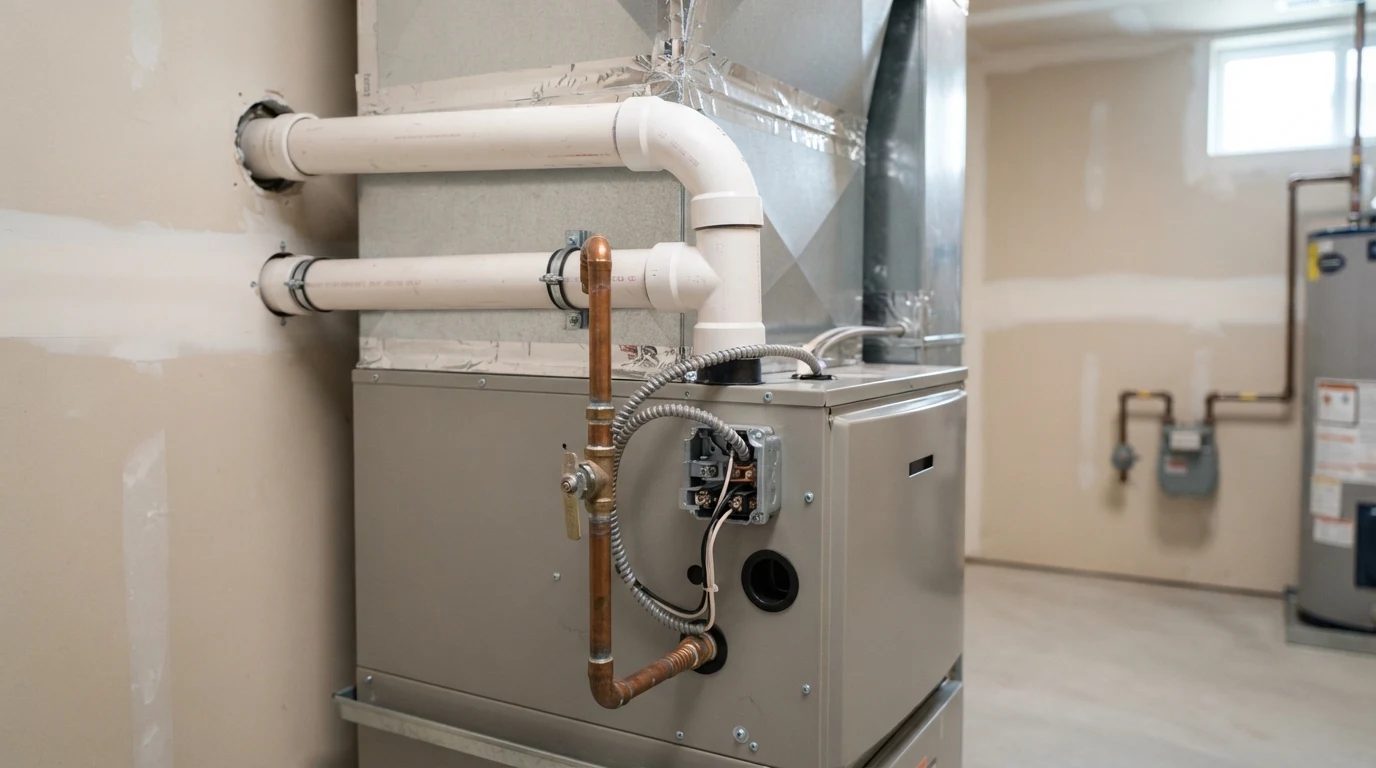
Get help addressing heating and cooling problems with an independent contractor who can assess your equipment and explain the available repair options.
Learn more →Explore furnace installation options for homes that need new heating equipment or an updated residential heating arrangement.
Learn more →Consider a residential heat pump system for heating and cooling, with equipment selection based on the property's requirements.
Learn more →Review replacement options when an existing heating system becomes unreliable, outdated or unsuitable for your home.
Learn more →Request help investigating heat pump performance problems, unusual noises, inconsistent temperatures and other operating concerns.
Learn more →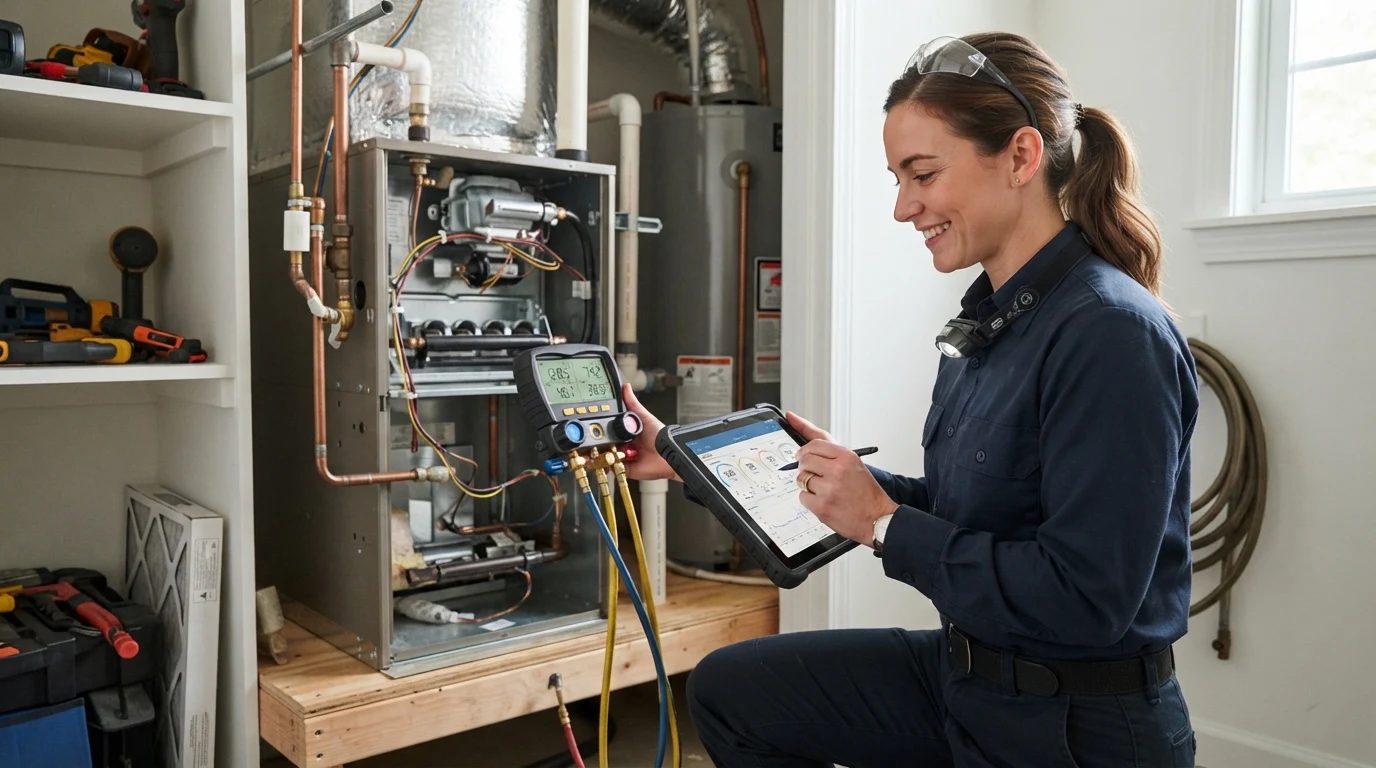
Heating and cooling equipment often gives homeowners warning signs before a complete breakdown occurs. A furnace may begin making unfamiliar noises, produce inconsistent heat or take longer than usual to bring rooms to a comfortable temperature. A heat pump may run continuously without reaching the thermostat setting. Air conditioning equipment can also struggle during warmer weather when airflow is restricted or a component is no longer operating correctly. These symptoms do not always point to the same underlying problem, which is why a proper assessment is important.
In Pottsville, seasonal temperature changes place different demands on residential HVAC equipment throughout the year. During winter, a heating system may operate for extended periods, making problems with ignition, airflow, controls or other components more noticeable. In summer, homeowners may notice that cooling takes longer or that some rooms remain warmer than others. A system that repeatedly turns on and off, produces unusual smells or causes a sudden increase in energy consumption may also deserve attention.
Ignoring a developing problem can lead to additional discomfort and potentially more extensive equipment damage. For example, a restricted air filter can affect airflow, while a malfunctioning thermostat may prevent the system from responding correctly. More complicated issues involving electrical components, motors, refrigerant circuits or ignition systems require assessment by an appropriately qualified contractor.
The best starting point is to describe what the equipment is doing, when the problem began and whether it affects heating, cooling or both. We pass those details to an independent local contractor who can discuss the symptoms with you and determine whether a service visit is appropriate. The contractor can then inspect the equipment, explain the findings and provide an estimate before any work is agreed upon. Having the symptoms and equipment information available helps make that first conversation more useful.
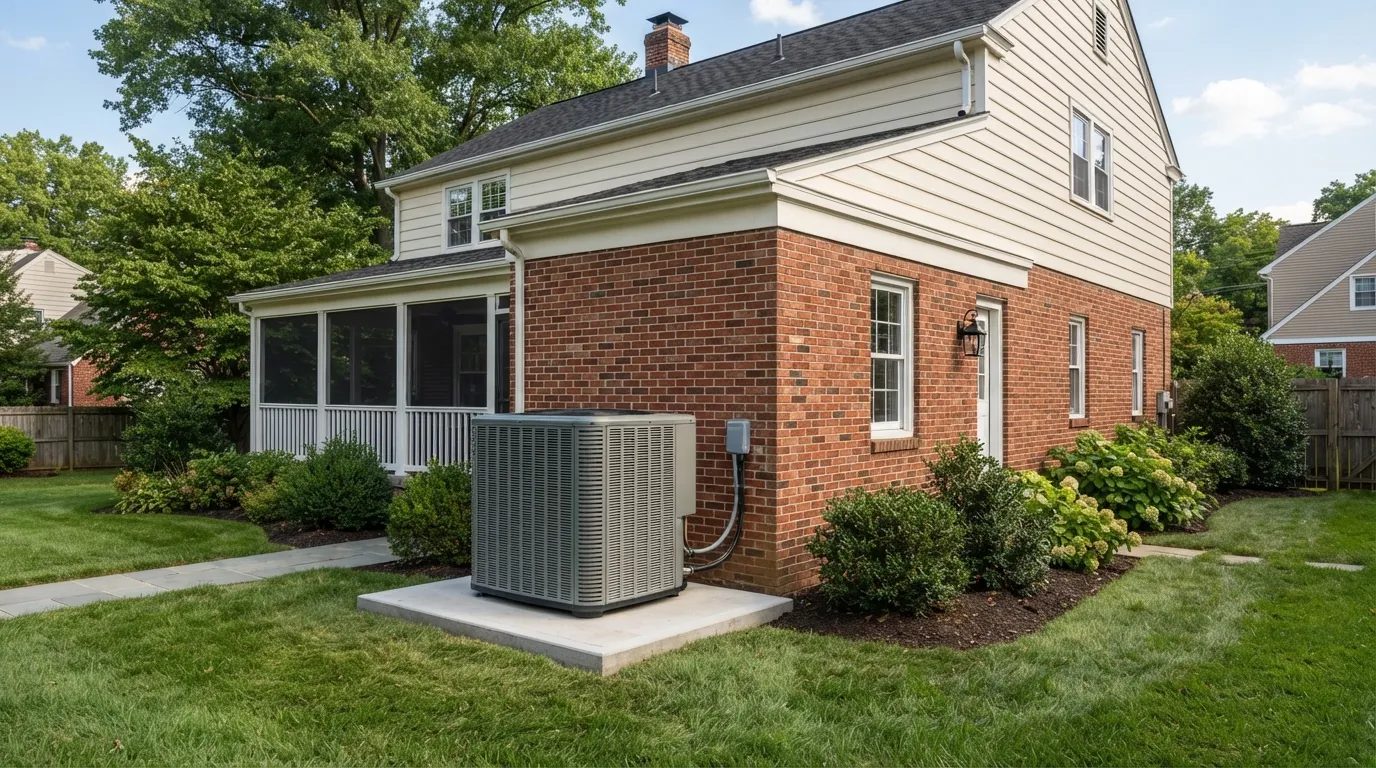
A residential furnace is made up of several components that must operate together to distribute warm air safely and consistently. Depending on the equipment, these can include a thermostat, ignition system, burner assembly, heat exchanger, blower motor, air filter and safety controls. A problem with one component can affect the performance of the entire system. Homeowners may notice that the furnace does not start, produces insufficient heat, cycles repeatedly or runs without distributing enough warm air.
Furnace repair generally begins with an assessment of the equipment and the symptoms reported by the homeowner. The independent contractor can examine relevant components, check the operating sequence and investigate possible causes. The appropriate repair depends on the actual condition of the system. Some problems may involve a relatively limited component issue, while others can indicate that the equipment is approaching the end of its useful service life.
When an older furnace becomes unreliable, installation of replacement equipment may be worth considering. The contractor can discuss the home's heating requirements, existing ductwork, available equipment types and installation considerations. Choosing a replacement should involve more than selecting a furnace based only on its advertised capacity. The home's layout, insulation, air leakage, existing distribution system and heating demands all influence the suitability of the equipment.
Installation planning may also involve removing existing equipment, preparing connections, addressing venting requirements and checking that the new system operates as intended. The contractor can explain which parts of the existing setup can remain and whether modifications are necessary.
Homeowners should ask what the proposed work includes, whether existing equipment needs additional attention and what maintenance will help protect the new system. Through our request process, you can describe your furnace concerns and seek a connection with an independent contractor who can discuss the available repair or installation options.
Heat pumps provide heating and cooling through a different process from conventional furnace systems. Rather than generating heat through combustion, a heat pump transfers heat between indoor and outdoor spaces. Depending on the equipment and system configuration, it can provide both heating and cooling from the same general installation. This makes heat pumps an option worth discussing when homeowners are considering a change to their existing HVAC arrangements.
A heat pump may be suitable for certain Pennsylvania homes, but equipment selection needs to account for the property's characteristics and winter heating requirements. Factors such as insulation, air leakage, room layout, existing ductwork and the performance of the proposed equipment can influence the decision. Some installations may involve ductless indoor units, while others use existing or modified duct systems. A contractor can explain which arrangement is appropriate for the property.
Common signs of a heat pump problem include unusual operating noises, reduced heating or cooling performance, inconsistent indoor temperatures and repeated cycling. Outdoor equipment may also be affected by weather conditions, debris or restricted airflow. Not every change in operation indicates a major failure, but persistent performance problems should be assessed rather than ignored.
Heat pump repair involves identifying the cause of the symptoms before deciding what work is necessary. The contractor may need to examine controls, electrical components, airflow, refrigerant-related operation and other equipment features. If the system is older or repeatedly requires attention, replacement may also become part of the discussion.
Homeowners considering a new heat pump should ask about equipment suitability, installation requirements, expected operating characteristics and maintenance needs. We provide the initial request connection, while the independent contractor handles the property assessment, technical recommendations, estimate and installation or repair work.
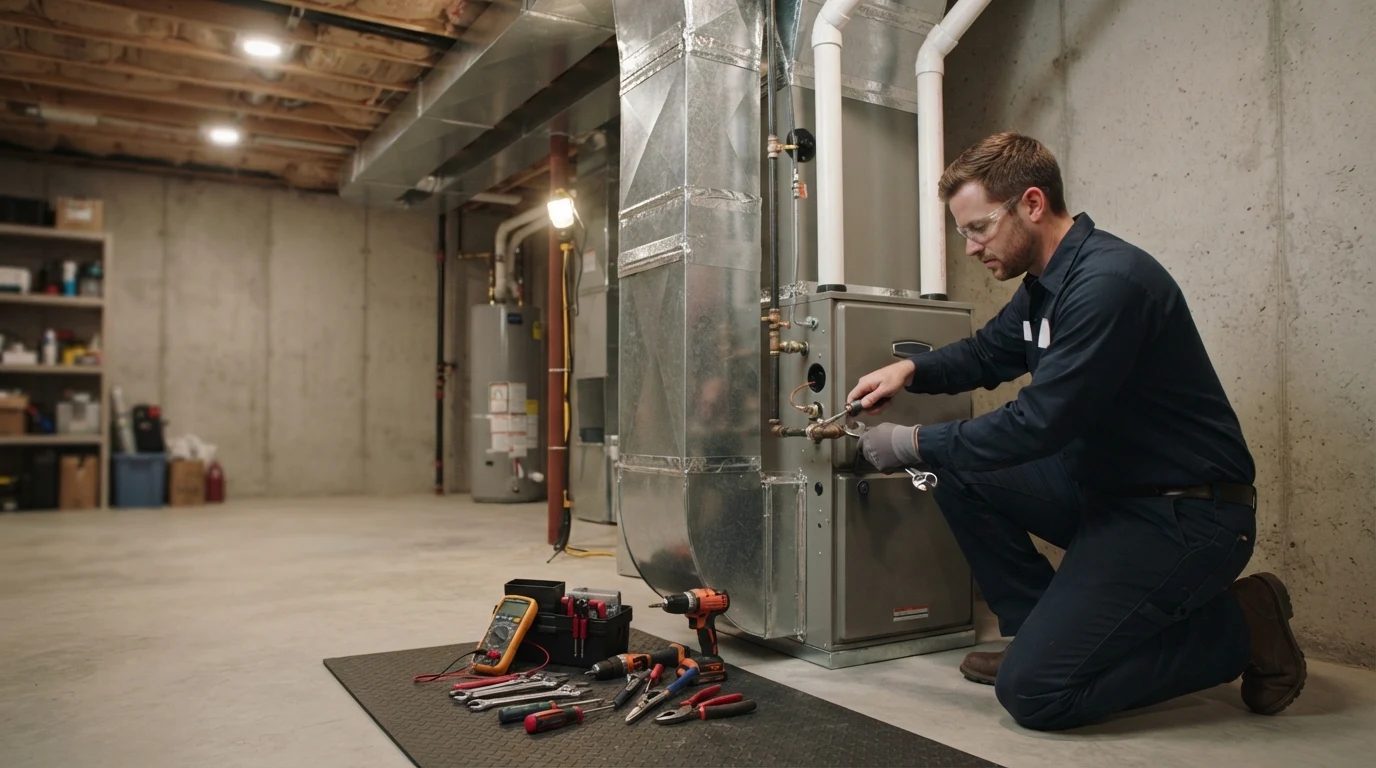
The work required for an HVAC problem depends on the equipment, the condition of the system and the circumstances at the property. Two homes with similar-looking furnaces may need very different work because their equipment ages, installation arrangements and operating histories are not necessarily the same. For that reason, a meaningful estimate should be based on an assessment rather than a general assumption about the problem.
For a repair request, the contractor may consider the type of equipment, the symptoms, the condition of the affected component and whether other parts of the system have been damaged. Access to the equipment can also matter. A furnace located in a difficult-to-reach basement or utility space may require different preparation than equipment installed in an easily accessible area. The availability and suitability of replacement components can influence the proposed repair as well.
Installation and replacement projects involve additional considerations. Equipment capacity, efficiency characteristics, compatibility with existing ductwork, electrical requirements, venting arrangements and installation complexity can all affect the scope of work. A home with significant air leakage or inadequate insulation may also need improvements to achieve the expected level of comfort from new equipment.
Heat pump projects require attention to the property's heating and cooling demands, outdoor equipment location, indoor distribution and the operating conditions expected throughout the year. The contractor can explain whether the existing setup can be adapted or whether additional work is needed.
Homeowners should request a written explanation of the proposed work and ask which equipment, components and installation tasks are included. It is also sensible to clarify whether additional repairs might be recommended after the initial inspection. We do not quote or set contractor prices. The independent contractor evaluates the project, explains the work and provides the estimate directly to the homeowner before the homeowner decides how to proceed.
Pottsville has a varied residential landscape, with established neighborhoods, older properties, traditional houses and homes that have undergone improvements over time. These differences can affect heating and cooling requirements. An older property may have original or modified ductwork, additions that were built at different times, or insulation levels that differ from those found in newer construction. A heating system that was selected for the original layout may not distribute air evenly after rooms or living spaces have changed.
Properties around the historic downtown area and established residential streets may have equipment arrangements that require careful consideration before replacement. Basement installations, older ventilation arrangements and limited utility space can all influence how an HVAC project is planned. In other parts of the community, homeowners may be working with updated equipment but still experience airflow or thermostat problems.
The region's cold winters make dependable heating a significant household concern. A furnace that struggles to maintain indoor temperatures can become especially inconvenient during prolonged cold weather. Snow, freezing conditions and changing outdoor temperatures can also affect heat pump operation and the accessibility of outdoor equipment. During warmer months, reliable cooling and adequate airflow help maintain indoor comfort.
Before arranging service, homeowners can make the process easier by identifying the equipment type, locating the thermostat, noting unusual sounds and describing which rooms are affected. It can also help to explain whether the problem occurs constantly or only during particular weather conditions.
A local contractor can use this information as a starting point when discussing the property and arranging an assessment. Because every home and installation is different, recommendations should reflect the actual equipment and building rather than a one-size-fits-all solution. Our role is to pass the request along so that the homeowner can speak directly with an independent contractor about the most appropriate next step.
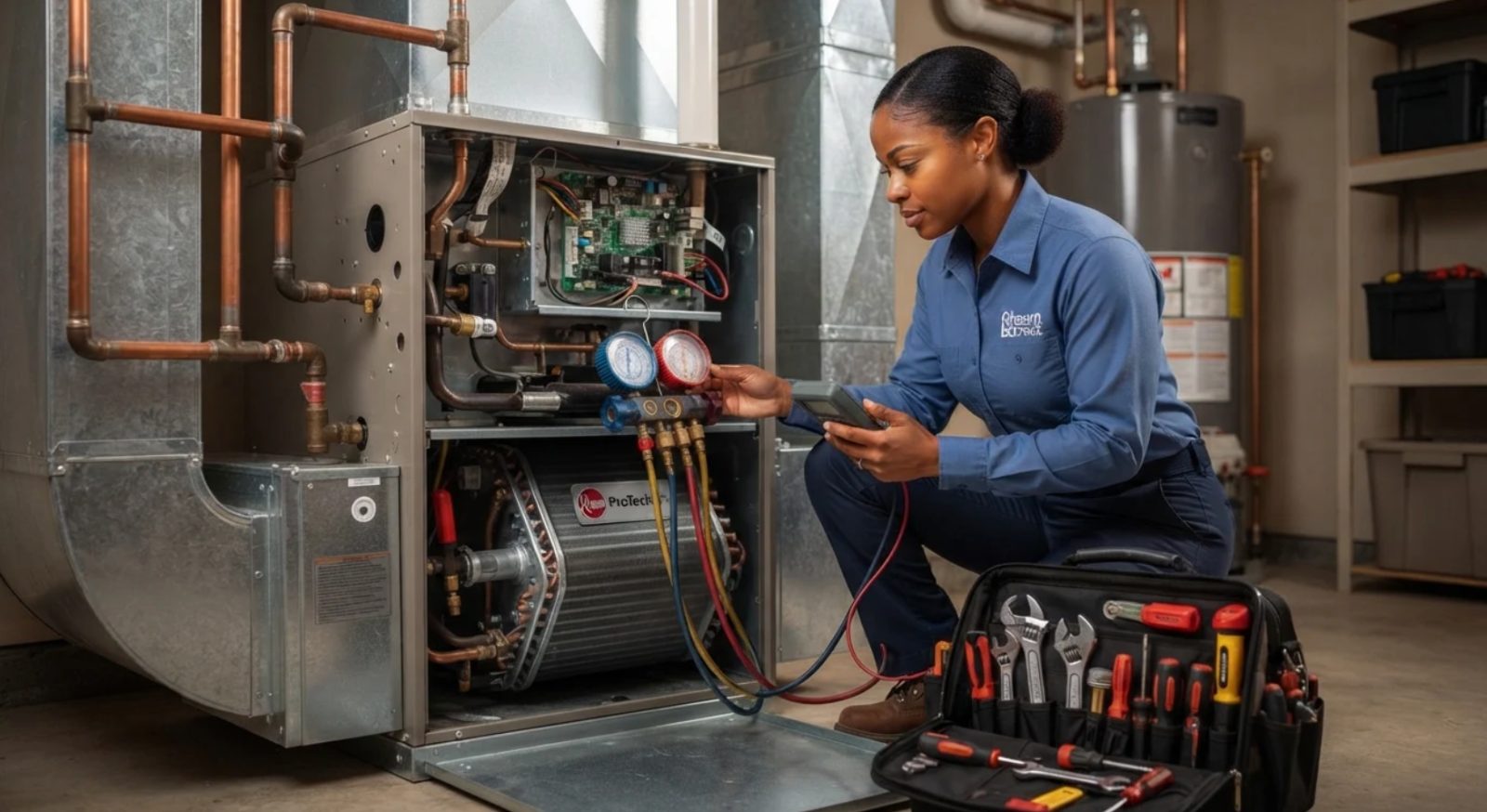
Choosing someone to assess or work on a heating and cooling system is an important household decision. HVAC equipment involves electrical connections, combustion-related components in applicable systems, ventilation, refrigerant circuits and other technical considerations. Homeowners should take time to understand who will be responsible for the work and what is included in the proposed service.
Start by explaining the problem as clearly as possible. Include the type of equipment, its approximate age if known, any warning indicators and the symptoms you have noticed. If a system has stopped working completely, mention whether the issue affects the entire property or only certain rooms. This information can help the contractor understand the request before arranging a visit.
Before agreeing to a repair or installation, ask the contractor to explain the diagnosis and the recommended solution. Find out whether the proposal includes parts, labor, removal of old equipment, installation preparation and any necessary adjustments to the existing system. For a replacement project, discuss equipment capacity, system compatibility, maintenance requirements and any relevant manufacturer documentation.
Homeowners should independently verify that the contractor they choose has the applicable licensing, insurance and qualifications required for the work in Pennsylvania. Ask about warranties, the expected scope of work and how any changes to the original estimate will be handled. Do not feel pressured to approve work before understanding the proposal.
High Efficiency Furnace Installation (HVAC) Repair makes the initial connection between the homeowner and an independent contractor. Once a request is passed along, the contractor contacts the homeowner, discusses the service need, prepares an estimate and carries out any work that the homeowner chooses to authorize. Taking a few minutes to prepare the relevant equipment information and questions can make the conversation clearer and help homeowners make an informed decision.
High Efficiency Furnace Installation (HVAC) Repair does not do the hvac repair work itself. When you call or send the form, we pass your request to an independent local contractor who covers your part of Pennsylvania. That contractor contacts you, gives you the estimate and does the work.
See what happens after you call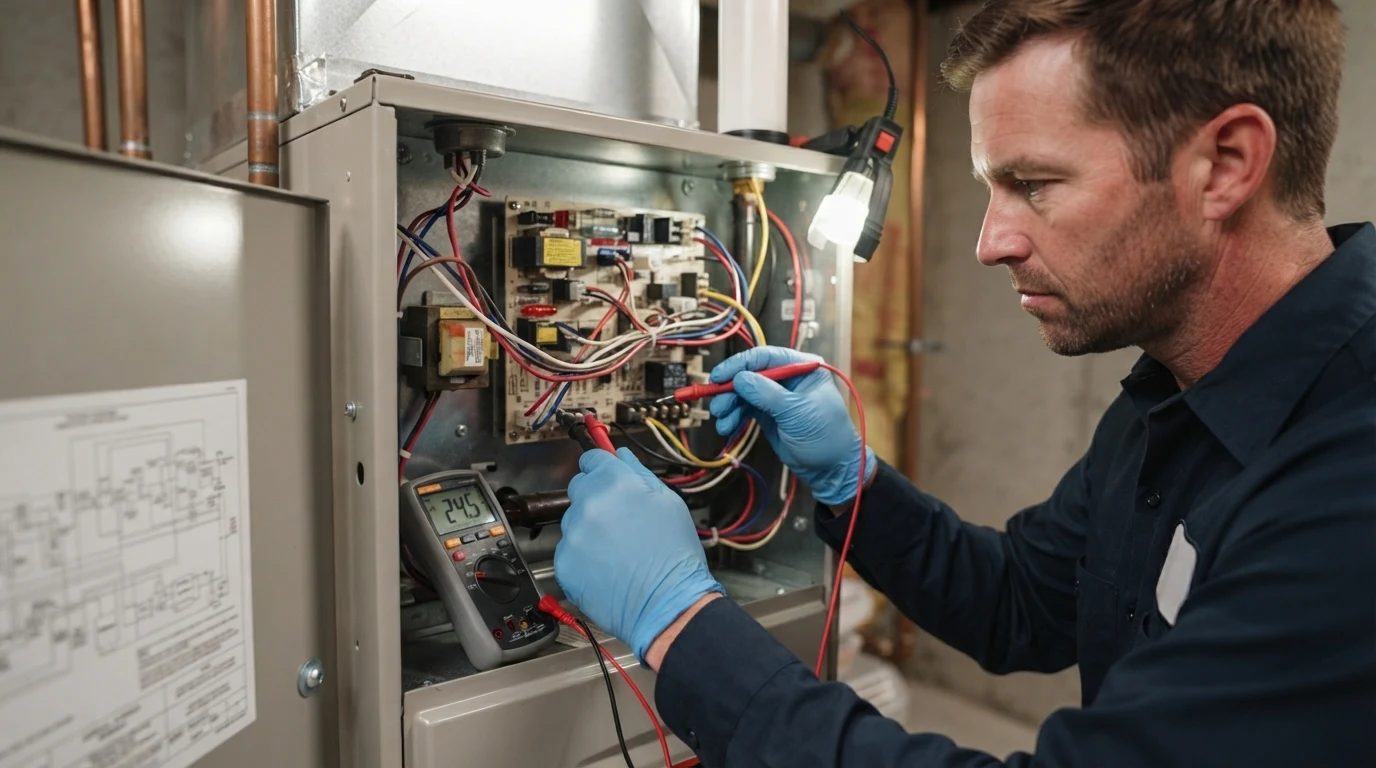
Common warning signs include insufficient heating or cooling, unusual noises, frequent cycling, weak airflow, inconsistent room temperatures and unexpected changes in system operation. A contractor can inspect the equipment and determine what is causing the symptoms.
The decision depends on the furnace's condition, reliability, repair requirements, efficiency and suitability for the home. An independent contractor can assess the existing equipment and explain whether repair or replacement is the more appropriate option.
A heat pump may be suitable for some properties, depending on the home's heating requirements, insulation, existing HVAC setup and equipment selection. A contractor can assess the property and explain whether a heat pump or another arrangement makes sense.
Possible causes include airflow restrictions, thermostat problems, ignition issues, blower problems or other equipment faults. Avoid assuming that one particular component is responsible. A contractor can investigate the symptoms and recommend appropriate work.
Submit a request describing your heating or cooling problem and the type of service you need. We pass the request to an independent contractor, who can contact you to discuss the property, arrange an assessment and provide an estimate.
No. We collect service requests and connect homeowners with independent local contractors. The contractor contacts the homeowner, assesses the equipment, provides the estimate and performs any work that is authorized.
It is sensible to arrange a professional inspection before the heating season, especially if the equipment has not been checked recently or has shown signs of reduced performance. The contractor can explain the maintenance appropriate for your particular system.
Leave the property, avoid operating electrical switches or ignition sources, and contact your gas utility or emergency services from a safe location. Do not wait for an ordinary repair appointment if you suspect a gas leak.
Tell us what is happening with your heating or cooling system. Your request can be passed to an independent contractor for follow-up.
Free — no obligations